
How AI Is Transforming Business Intelligence for Emerging Professionals
Business Intelligence (BI) is no longer just about dashboards and reports—it is rapidly evolving into a field driven by artificial intelligence (AI). As an emerging professional in BI, I’ve seen firsthand how AI is reshaping the way we collect, analyze, and communicate data. Understanding this shift is essential for staying competitive in today’s data-driven world.
From Static Reports to Predictive Insights
Traditionally, BI focused on descriptive analytics—what happened and why. Tools like Tableau and Power BI made it easier to visualize trends, but they still relied heavily on human interpretation. Today, AI enhances these tools by introducing predictive and prescriptive analytics. Instead of just showing past sales trends, AI models can forecast future demand and recommend actions.
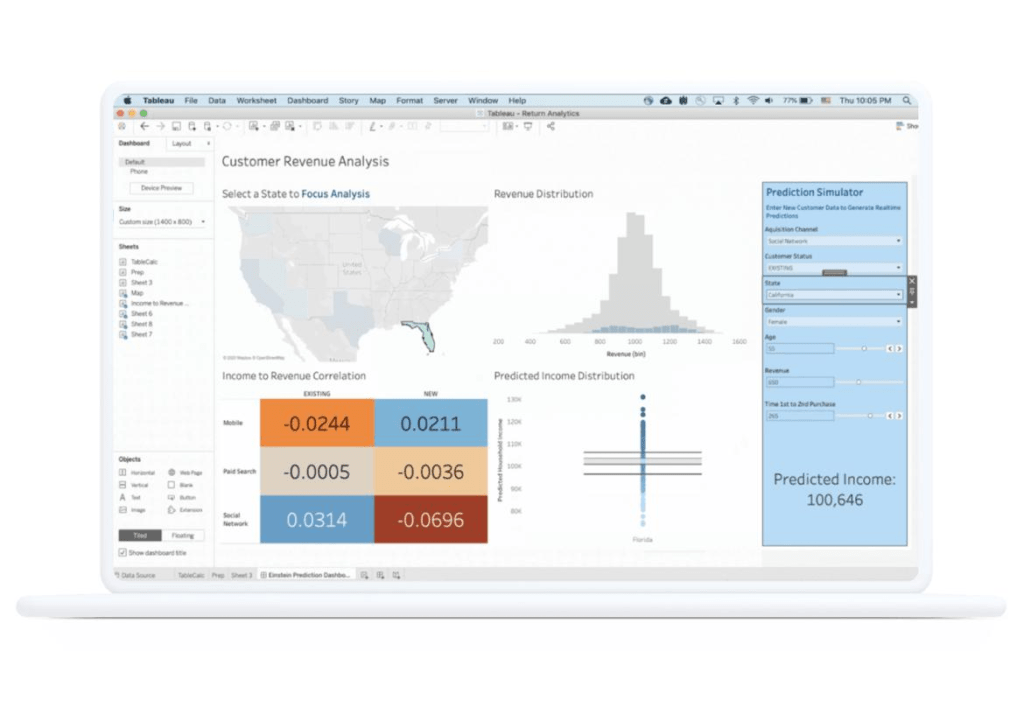
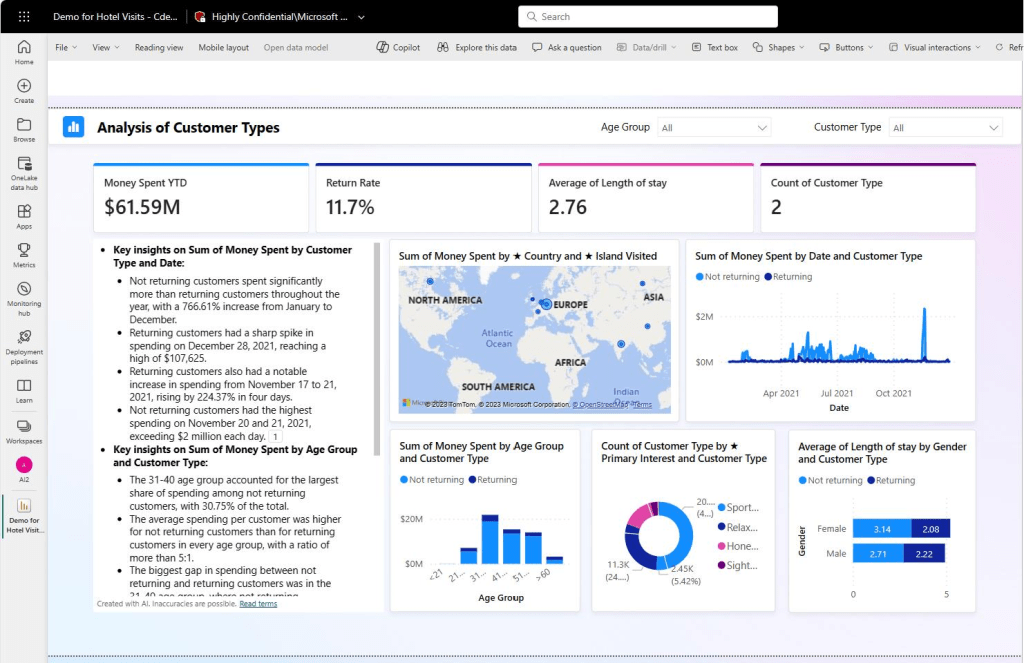
This shift allows businesses to move from reactive to proactive decision-making. For example, companies can anticipate customer behavior, optimize inventory, and improve marketing strategies before problems arise.
Automation and Efficiency in Data Workflows
Another major impact of AI in BI is automation. Tasks that once took hours—data cleaning, transformation, and even report generation—can now be handled in minutes. This is especially relevant in real-world data projects, where preparing data often takes more time than analyzing it.
AI-powered tools can:
- Detect anomalies in datasets
- Automatically generate insights
- Suggest the best visualizations for a dataset
For someone entering the field, this means less time spent on repetitive tasks and more focus on interpreting results and driving business value.
The Growing Importance of Data Storytelling
While AI can generate insights, it cannot replace the human ability to tell a compelling story with data. One key lesson I’ve learned is that presenting data effectively is just as important as analyzing it. A well-designed dashboard using principles like clean layout patterns (Z or F patterns) and clear KPIs can make complex information accessible to stakeholders.
Key Skills for BI Professionals in 2025
Based on industry trends and my own experience, the most important skills include:
- Data literacy: Understanding how to work with structured and unstructured data
- AI tool integration: Using AI features within BI platforms effectively
- Visualization design: Creating dashboards that are intuitive and impactful
- Critical thinking: Evaluating AI-generated insights rather than accepting them blindly
 Nicolas Bauer